How house removals work: your 2026 guide
House removals are the organised process of moving household possessions safely from one property to another using professional services. The process covers packing, loading, transport, unloading, and often storage, coordinated by a trained crew with specialist vehicles and equipment. Metrocitymoves has delivered this service across all 32 London boroughs since 2010, and the steps rarely change. What does change is how well prepared you are. This guide walks you through every stage of the house removal process, from booking to final walkthrough, with current cost data and practical advice to help you plan with confidence.
What are the main steps in the house removal process?
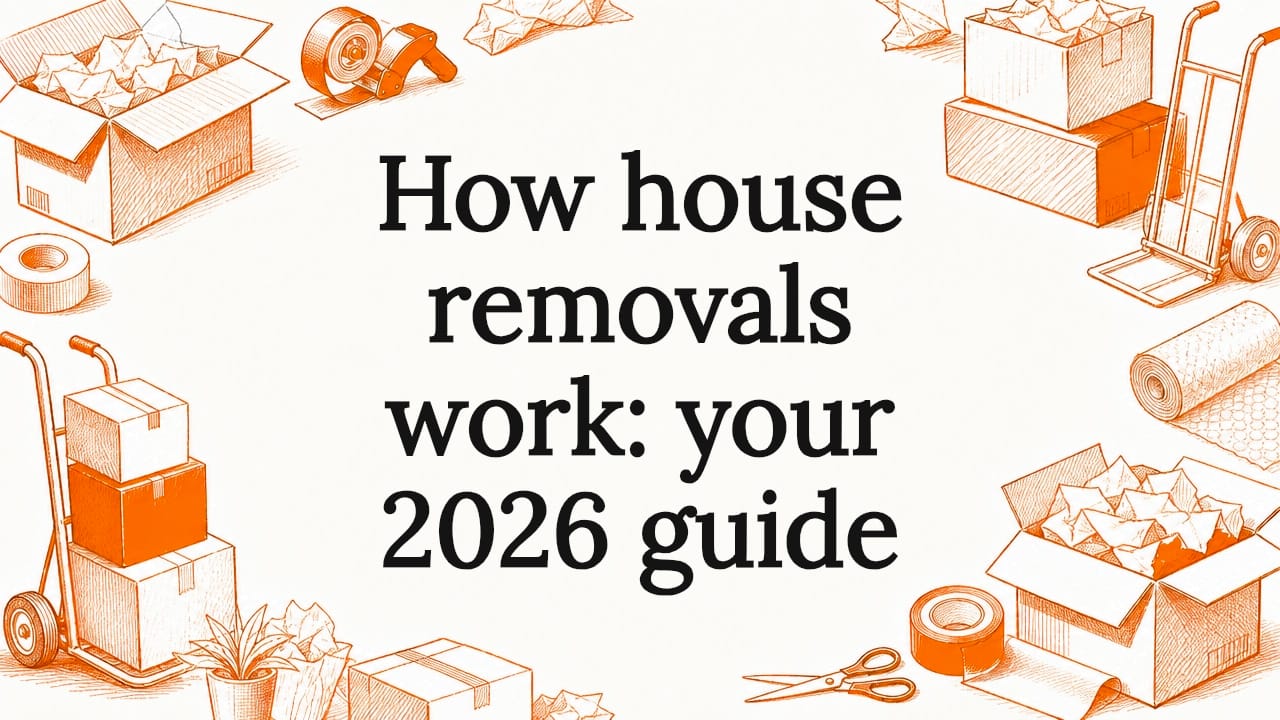
The house removal process follows a clear sequence. Understanding each stage removes uncertainty and helps you avoid the most common and costly mistakes.
-
Book and confirm your removal company. Get at least two written quotes with itemised pricing. Confirm the date, vehicle size, crew numbers, and what is included. Ask directly whether the price is fixed or subject to change on the day.
-
Choose your packing level. You have three options: self-pack, partial service, or full packing service. A full packing service for a 3-bedroom home costs approximately £575 and typically involves around 100 boxes. That cost buys you professional materials, speed, and Goods in Transit cover that self-packed boxes may not qualify for.
-
Prepare your home before moving day. Dismantle flat-pack furniture, label boxes by room, and clear access routes. Confirm parking arrangements and notify neighbours if a large vehicle will be outside.
-
Moving day: arrival and loading. The crew arrives, conducts a brief walkthrough, and begins loading systematically. Heavier items go first, fragile items last. A professional team works to a plan, not at random.
-
Transport. The vehicle follows a pre-agreed route. For long-distance removals across the UK, timing and motorway routing matter. Metrocitymoves handles long-distance moves with the same fixed-price approach used for local London jobs.
-
Unloading and placement. Boxes go to the rooms labelled on the outside. Furniture is placed where you direct. Reassembly of dismantled items is available as an optional extra, typically costing around £30 per item.
-
Final walkthrough and paperwork. Walk through both properties with the crew leader. Confirm nothing has been left behind, sign off on the job, and settle any outstanding balance.
Pro Tip: Book your removal company before you exchange contracts. Availability on popular dates, particularly Fridays and end-of-month slots, fills up weeks in advance.
How do logistics and access affect your move?
Access is the single most underestimated variable in the house removal process. A property that looks straightforward on paper can add hours to a job.
-
Parking suspension permits. In controlled parking zones, you need a suspension permit for the removal vehicle. Permits require 5–7 working days’ notice and cost between £45 and £110 per day depending on the London borough. Apply early. A crew that cannot park close to your door will take significantly longer to load.
-
Narrow staircases and long carries. High-rise flats without lifts, properties with tight stairwells, or homes with a long path from the front door to the street all increase labour time. Some items, such as large sofas or American-style fridge freezers, may need specialist handling or partial disassembly.
-
Lift access in flats. If a lift is available, confirm its dimensions before moving day. A wardrobe that fits in the flat may not fit in the building’s lift. The crew will need to know this in advance to plan the right approach.
-
Key delays and late key waiver fees. Completion day delays are common in property chains. If your crew is waiting for keys, late key waiver fees average around £95 per instance. This is a standard clause in most professional removal contracts and covers the crew’s time while they wait.
-
Timing coordination. If you are in a chain, your move-out and move-in times depend on others. Communicate your expected key release time to your removal company as early as possible. Build in a buffer.
Pro Tip: Call your local council’s parking team at least two weeks before your move date. Some boroughs have longer processing times than the standard 5–7 working days, particularly in central London.
What does a house removal cost in 2026?

Removal costs vary by home size, distance, access, and the services you add. The figures below reflect current national averages for standard local moves under 30 miles.
| Home size | Approximate removal cost | With full packing |
|---|---|---|
| 1-bedroom | £400–£600 | £700–£900 |
| 3-bedroom | £800–£1,400 | £1,375–£1,975 |
| 4-bedroom | £1,200–£2,000 | £1,775–£2,575 |
The national average for a 3-bed move sits at approximately £969, with full packing adding around £575 on top. Those are not small numbers, but they reflect real labour, real insurance, and real equipment.
Larger homes offer better value per unit of volume. A 1-bedroom move costs roughly £0.93 per cubic foot, while a 3-bedroom move costs around £0.65 per cubic foot. Fixed costs such as vehicle hire and crew travel spread across more volume, so the rate per item falls as the home size grows.
The main cost drivers are volume, distance, access difficulty, packing level, and timing. Friday moves and end-of-month dates carry a premium because demand is highest. A midweek move in the middle of the month is almost always cheaper. Furniture dismantling and reassembly adds approximately £30 per item, and waiting time on completion day can trigger a late key waiver fee of around £95.
Always request an itemised written quote. A quote that lists a single total figure gives you no way to compare services fairly or challenge unexpected charges on the day.
How to prepare effectively for your house removal
Preparation is where most moves are won or lost. The week before moving day is too late to start. Begin four to eight weeks out.
-
Declutter before you pack. Every item you remove from the move reduces volume, cost, and unpacking time. Donate, sell, or dispose of anything you have not used in the past year. A house clearance service can handle bulk disposal if the volume is significant.
-
Book early. Aim to confirm your removal company 4–8 weeks before moving day. Popular dates disappear quickly, and last-minute bookings often cost more.
-
Pack room by room, not by category. Room-based packing keeps items together, gets boxes to the right rooms at the new property, and reduces post-move exhaustion. Packing by category, such as grouping all books regardless of which room they belong in, creates confusion and extra carrying at the other end.
-
Disconnect appliances 24 hours before moving day. Washing machines and dishwashers must be drained and disconnected the day before. Moving wet appliances is commonly uninsurable and risks water damage to other items in the vehicle. Defrost your fridge and freezer at the same time.
-
Arrange childcare and pet care. Moving day with young children or anxious pets underfoot is genuinely dangerous. Arrange for them to be elsewhere for the day. It protects them and lets the crew work efficiently.
-
Pack a first-night essentials box. Include bedding, a kettle, mugs, phone chargers, toiletries, and any medication. Load this box last so it comes off the vehicle first. You will not want to search through 80 boxes at 9PM for your toothbrush.
-
Take meter readings and document property condition. Photograph every room in both properties before and after the move. Take gas, electricity, and water readings on the day. Keep all important documents, such as contracts, passports, and insurance certificates, in a bag you carry personally.
Pro Tip: Label every box on the side, not the top. When boxes are stacked, you can read side labels without lifting anything. Add a brief contents note, such as “kitchen: pots and pans,” to save time at the new property.
For detailed guidance on protecting delicate items, the Metrocitymoves guide on packing fragile items covers materials, layering techniques, and what not to pack in the same box.
Key takeaways
A successful house removal depends on early booking, room-by-room packing, and clear communication with your removal crew about access, timing, and services.
| Point | Details |
|---|---|
| Book 4–8 weeks ahead | Popular moving dates fill quickly; early booking secures your preferred slot and price. |
| Itemise your quote | Always request a written, itemised quote to compare services and avoid surprise charges on the day. |
| Address access early | Apply for parking permits at least two weeks out and flag any access difficulties to your crew in advance. |
| Pack room by room | Room-based packing reduces confusion at the new property and lowers post-move physical strain. |
| Disconnect appliances the day before | Wet appliances are commonly uninsurable in transit; drain and disconnect 24 hours before moving day. |
What I have learned from watching hundreds of moves go wrong
Most removal disasters are not caused by the removal company. They are caused by the person moving.
The single most common mistake I see is late booking. People finalise their completion date and then spend two weeks celebrating before thinking about removals. By that point, the good companies are fully booked on that Friday, and the only options left are whoever has availability, which is not always a reassuring sign.
The second mistake is packing by category. It sounds logical to pack all your books together or all your kitchenware in one batch. In practice, it means boxes labelled “miscellaneous” end up in the wrong rooms, and you spend the first week of living in your new home hunting for things. Pack the kitchen as a room, the bedroom as a room, and so on. Your future self will thank you.
The third mistake is underestimating access. I have seen moves that should have taken four hours turn into seven because the crew could not park within 50 metres of the front door and nobody had applied for a permit. That extra time costs money and exhausts everyone.
The practical fix for all three is simple: treat the removal as seriously as the conveyancing. Invest time in it early, communicate clearly with your crew, and do not leave preparation to the final 48 hours. A modest investment in professional packing, clear box labelling, and a midweek moving date will make the day noticeably calmer and, in most cases, cheaper.
— Far
Trusted house removals in London with Metrocitymoves
Planning a move across London or further afield requires a company that knows the city’s access challenges, parking rules, and timing pressures from direct experience.
Metrocitymoves has been delivering professional house removals across all 32 London boroughs since 2010. Every move is fully insured, fixed-price quoted, and handled by an experienced crew. Services include full packing, furniture dismantling, secure storage, and long-distance removals across the UK. If you need flexible storage between moves, secure storage options are available with no long-term commitment required. Get in touch for a free, itemised quote and lock in your preferred moving date before it goes.
FAQ
How far in advance should I book a removal company?
Book your removal company 4–8 weeks before your moving date. Friday and end-of-month slots fill the fastest, particularly in London.
What does a full packing service include?
A full packing service covers all materials, box assembly, wrapping, and labelling. For a 3-bedroom home, this typically involves around 100 boxes and costs approximately £575.
What is a late key waiver fee?
A late key waiver fee is charged when a removal crew is kept waiting because keys have not been released on time. The average charge is around £95 per instance and is standard in most professional removal contracts.
Do I need a parking permit for my removal van?
In controlled parking zones, yes. Permits require 5–7 working days’ notice and cost between £45 and £110 per day depending on the borough. Apply to your local council as early as possible.
Can I pack my own boxes and still use a professional removal company?
Yes. Most removal companies offer a self-pack option. Be aware that self-packed boxes may not be covered under the company’s Goods in Transit insurance if damage occurs, so ask directly about the policy before moving day.