Why packing quality matters in removals
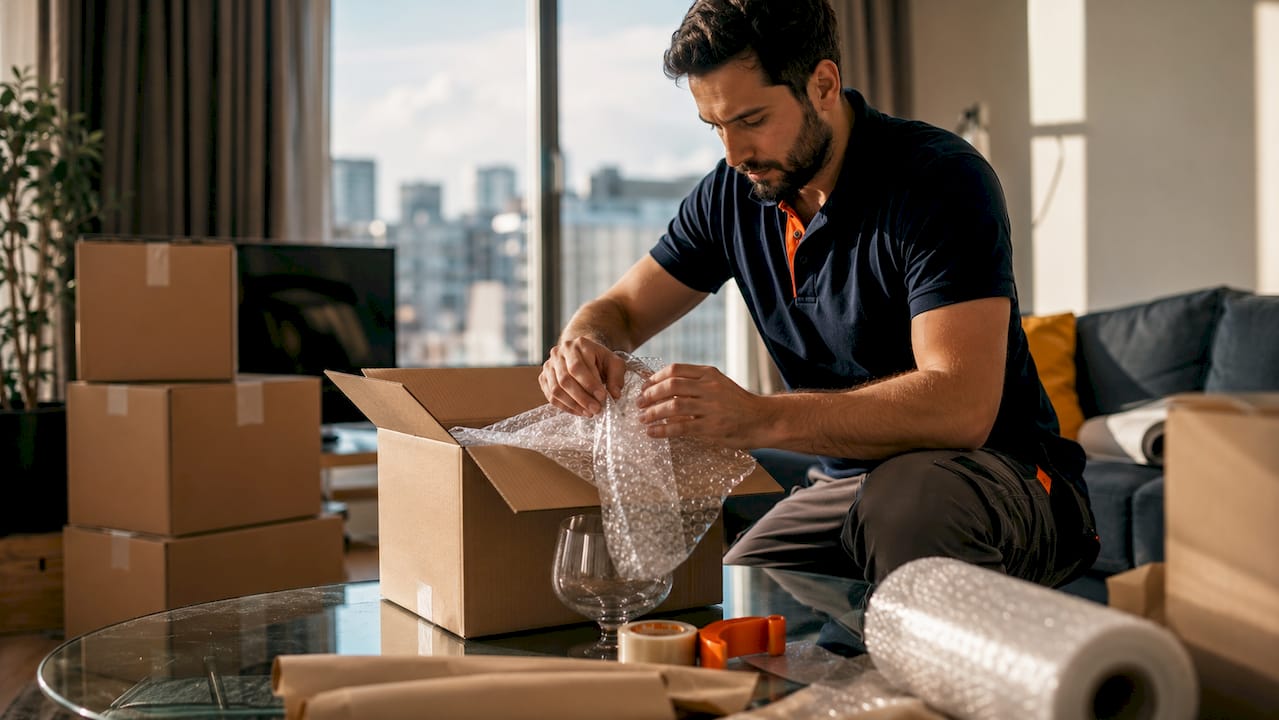
Packing quality is the single biggest factor determining whether your belongings arrive safely or end up damaged, delayed, and disputed. Most people treat packing as an afterthought, yet quality packing materials and correct methods directly reduce breakage risk during transit. The difference between a smooth move and a costly one often comes down to the box you chose, the tape you used, and whether you left enough space for cushioning. Understanding why packing quality matters in removals gives you the knowledge to protect your possessions and keep your move on budget.
How do quality packing materials reduce damage risk during a removal?
Professional-grade packing materials are engineered to handle the specific stresses of a removal. Purpose-designed boxes and industrial-strength tape resist compression, buckling, and seal failure under the vibrations and temperature changes common during transit. A standard supermarket box was never designed to be stacked three high in a removal van. It will buckle under load, and whatever is inside will suffer.
The key materials each serve a specific protective function:
- Double or triple-wall boxes handle stacking weight without collapsing, protecting contents from the pressure of boxes loaded above them.
- Bubble wrap absorbs shock from bumps and vibrations. Anti-static bubble wrap is the correct choice for electronics, as standard wrap can generate static charge.
- Archival tissue and packing paper wrap individual items and fill voids inside boxes, preventing internal movement that causes chips and cracks.
- Industrial packing tape maintains a reinforced seal throughout the journey. Cheap tape peels away from cardboard in warm vehicles, leaving boxes open and vulnerable.
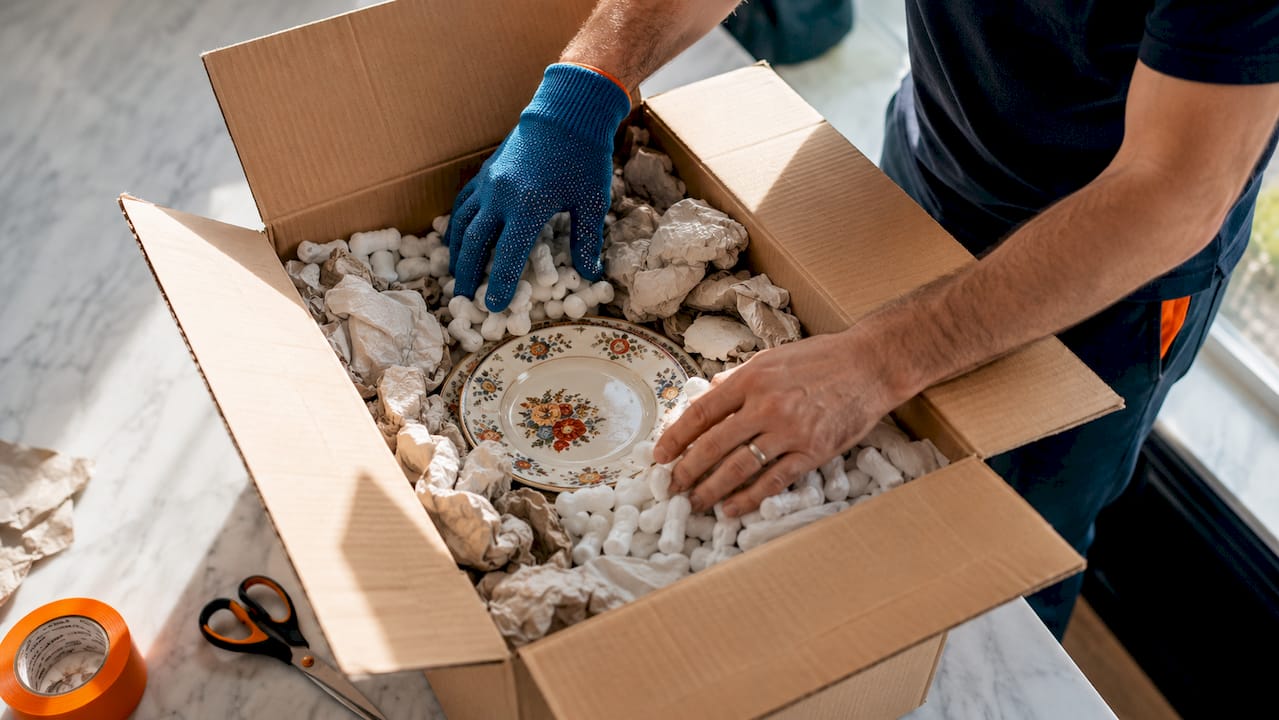
- Void filler such as packing peanuts or crumpled paper eliminates the empty space that allows items to shift during transit.
The goal of quality packing is to eliminate all internal box movement. Void fillers and cushioning materials prevent shock and vibration damage by keeping every item fixed in place from the moment the box is sealed to the moment it is opened.
Pro Tip: Test tape before you buy it. Press a strip firmly onto a cardboard surface, leave it for 30 seconds, then pull it back sharply. If it tears the cardboard, it will hold during transit. If it peels away cleanly, it will fail under heat and movement. Never reuse old boxes; the structural integrity of cardboard degrades significantly after one move.
What packing mistakes increase damage and inefficiency during moves?
Poor packing is not just a minor inconvenience. Improper packing causes damage, delays, and direct financial loss through box collapse, split seams, and misplaced items. The most common mistakes are predictable and entirely avoidable.
- Underpacking boxes. A half-filled box has no structural rigidity. The sides bow inward under stacking weight, and items inside shift freely and collide.
- Overpacking boxes. A box that is too heavy tears at the base when lifted and puts excessive strain on the bottom seal. A good rule is that no box should exceed 20 kg.
- Mixed-weight stacking. Placing heavy items on top of lighter, fragile ones is one of the most common causes of breakage during loading and transit.
- Poor sealing. A single strip of tape along the centre join is not sufficient. Boxes need tape along all seams, including the side joins, to maintain integrity under load.
- Mislabelling or no labelling. Boxes without clear room and content labels slow down unloading significantly. Fragile items not marked as such get handled without appropriate care.
The knock-on effects extend beyond broken items. Poorly packed boxes take longer to load safely because the removal crew must handle them with extra caution. Mislabelled boxes end up in the wrong rooms, adding time to the unpack. Both outcomes increase the total cost of an hourly-billed move.
Packing is a risk-management step, not simply placing items in boxes. Every mistake made at the packing stage creates a problem that cannot be fixed once the van is moving.
How does packing quality affect insurance and liability?
Packing quality has a direct and often misunderstood effect on your insurance coverage. Self-packed boxes are typically marked “Owner Packed” on the removal inventory, and this status significantly limits your ability to make a successful claim for internal damage. Insurers and removal companies will refuse liability for damage inside an owner-packed box unless there is visible external damage to the box itself. That means a cracked vase inside a poorly cushioned box you packed yourself is almost certainly not covered, even if you have Goods in Transit insurance.
This is a point that catches many people off guard. Many assume that purchasing a higher tier of insurance covers all eventualities, but insurer refusal due to “Owner Packed” status is standard practice across the industry. The packing quality, not the insurance tier, determines whether a claim succeeds.
To protect yourself, follow these steps:
- Photograph your packed boxes before they leave your property. Show the sealed exterior and, where possible, the contents before sealing.
- Keep all packing materials after the move. If a claim arises, the original packaging is evidence of the standard of care you applied.
- Note the condition of boxes on arrival. Mark any damaged boxes on the delivery paperwork before the crew leaves.
- Act quickly. Contractual notification windows can be as short as seven days, so document and report damage immediately.
For fragile or high-value items, professional packing is the most reliable way to maintain full insurance coverage. When a removal company packs an item, liability for internal damage transfers to them, provided the item was in good condition at the point of packing. You can read more about how packing status affects your cover in this guide to long-distance moving insurance.
What are the practical benefits of professional packing versus self-packing?
The choice between professional packing and self-packing affects your time, your costs, and the safety of your belongings. The comparison is more nuanced than most people expect.
| Factor | Professional packing | Self-packing |
|---|---|---|
| Damage risk | Low. Expert technique and quality materials used throughout. | Higher. Inconsistent materials and technique increase breakage risk. |
| Insurance coverage | Full coverage for internally damaged items. | Limited. “Owner Packed” status restricts claims. |
| Time on moving day | Faster loading. Pre-packed boxes are ready to go. | Slower. Crew may wait while packing is completed. |
| Cost | Additional service fee, offset by time savings on hourly moves. | Lower upfront cost, but potential for higher damage costs. |
| Fragile items | Individually wrapped, labelled, and inventoried correctly. | Risk of insufficient cushioning and incorrect labelling. |
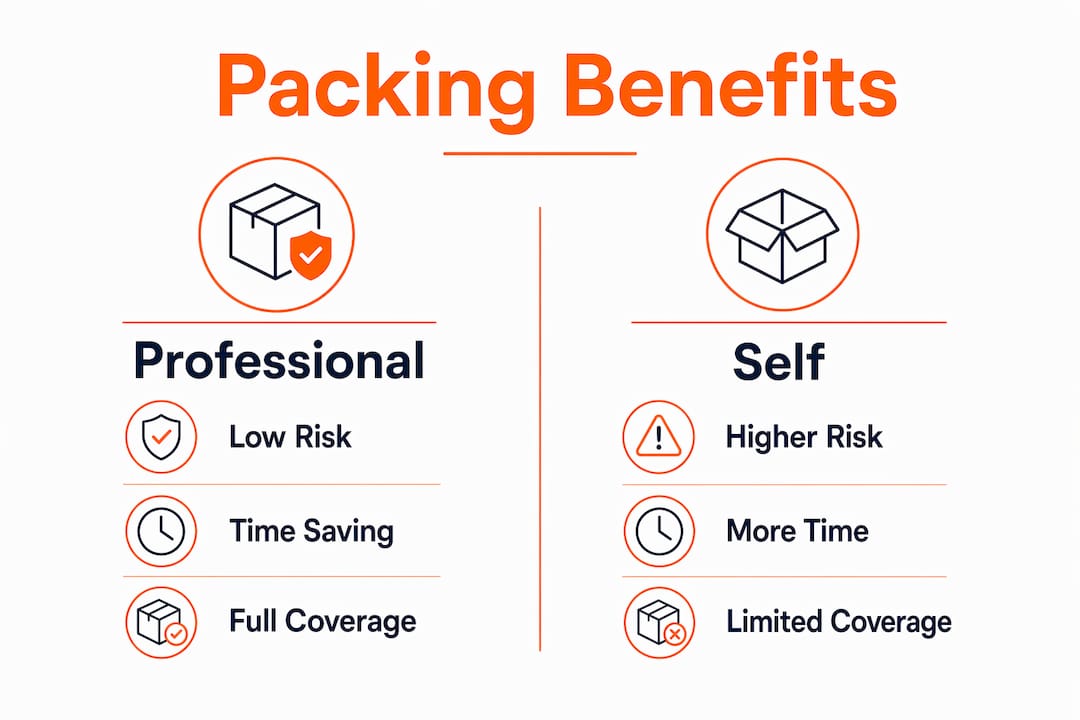
High-quality pre-packing saves 30–90 minutes of on-site crew time on hourly-billed moves. That time saving directly offsets the cost of better materials or a professional packing service. On a long-distance move, the saving is even more pronounced.
A practical middle ground is fragile-only professional packing. A fragile-only pack for a three-bedroom move costs £220–£340 and takes 4–6 hours. That covers your most vulnerable items while keeping overall costs manageable. Metrocitymoves offers this as a standalone service, scheduled the day before your move to allow proper labelling and inventory without the pressure of moving day.
Pro Tip: If you are self-packing the majority of your home, hire professionals for your kitchen and any room containing fragile or high-value items. These are the areas where damage is most likely and most costly. The packing guide for kitchens from Metrocitymoves covers the specific techniques for glassware, crockery, and appliances.
What are effective packing techniques for safe and efficient removals?
Good packing technique is learnable and makes a measurable difference to outcomes. These methods reflect the same approach used by professional packers.
- Wrap every fragile item individually. Use bubble wrap for ceramics, glass, and ornaments. Use archival tissue for items with delicate surfaces or finishes. Never wrap items in newspaper; the ink transfers and can stain permanently.
- Choose the right box size. Heavy items such as books and tools go in small boxes. Light, bulky items such as bedding and cushions go in large boxes. This keeps every box at a manageable weight and prevents base failure.
- Build cushioning layers. Place a 5 cm layer of packing paper or bubble wrap at the base of every box before adding items. Add a further layer between each item and a final layer on top before sealing.
- Distribute weight evenly. Place heavier items at the bottom of the box and lighter items on top. This applies both inside individual boxes and when stacking boxes in the van.
- Seal every seam. Apply tape along the centre join and both side joins of every box, top and bottom. This is the single most effective way to prevent boxes splitting under load.
- Label clearly and specifically. Write the destination room, a brief content description, and “FRAGILE” on at least three sides of every relevant box. Vague labels like “misc” add time and confusion at the other end.
- Pack fragile items the day before the move. Rushing packing on moving day leads to insufficient padding and increased damage. Completing fragile packing the evening before gives you time to do it properly.
- Keep an inventory. Number your boxes and maintain a simple list of contents. This makes it immediately obvious if a box goes missing and speeds up the unpack considerably.
For a full walkthrough of protecting delicate items, the Metrocitymoves guide on packing fragile items for moving covers every material and method in detail.
Key takeaways
Quality packing is the most controllable factor in preventing damage, reducing costs, and maintaining insurance coverage during a removal.
| Point | Details |
|---|---|
| Materials determine protection | Purpose-designed boxes, bubble wrap, and industrial tape prevent compression, vibration, and seal failure. |
| Poor packing costs more | Underpacked boxes, mixed-weight stacking, and poor sealing cause damage and slow down loading. |
| Owner packing limits insurance | Self-packed boxes labelled “Owner Packed” restrict claims unless external box damage is visible. |
| Professional packing saves time | Pre-packing reduces on-site crew time by 30–90 minutes, offsetting the cost on hourly moves. |
| Document everything | Photograph packed boxes and keep materials after the move to support any damage claim within the notification window. |
The thing most people get wrong about packing
After 15 years of working in and around London removals, the pattern I see most often is not carelessness. It is underestimation. People genuinely believe that because they have moved before without disaster, their packing approach is fine. What they do not account for is luck, and luck runs out.
The moves that go wrong are almost never the result of a single catastrophic mistake. They are the result of several small compromises stacking up: a reused box that was slightly weakened, tape that was not pressed down firmly, a fragile item wrapped in a single sheet of paper rather than two layers of bubble wrap. Individually, none of these feel significant. Together, they create the conditions for a cracked mirror, a shattered dinner service, or a claim that gets rejected.
The insurance angle is the one that genuinely surprises people. I have spoken to customers who were certain their Goods in Transit cover would protect them, only to discover that “Owner Packed” status meant the insurer had no obligation to pay out. The box was not visibly damaged. The item inside was. Under standard removal industry terms, that is the customer’s problem. Knowing this before you pack changes how you approach the whole process.
My honest recommendation is this: pack everything yourself if you want to, but invest in the right materials and give yourself the time to do it properly. If you have fragile or valuable items, bring in professionals for those specific boxes. The cost is modest. The peace of mind is not.
— Far
How Metrocitymoves can help protect your belongings
Metrocitymoves has been handling London removals since 2010, and packing is one of the areas where professional help makes the clearest difference. The team uses purpose-designed boxes, industrial tape, bubble wrap, and archival tissue as standard, and every packed box is labelled and inventoried before it leaves your property.
Whether you need a full packing service or fragile-only cover for your most valuable items, Metrocitymoves can schedule packing the day before your move to give your belongings the time and care they deserve. Professional packing also means full insurance coverage for internally damaged items, removing the risk that comes with owner-packed status. Get a free quote for professional packing services or find out more about house removals in London with Metrocitymoves.
FAQ
Why does packing quality matter so much in removals?
Packing quality directly affects whether items survive transit undamaged. Poor materials and technique cause box collapse, internal movement, and broken items that are often not covered by insurance.
What happens to insurance if I pack my own boxes?
Self-packed boxes are marked “Owner Packed,” which means insurers and removal companies will typically refuse liability for internal damage unless the box itself shows visible external damage.
What packing materials do professional removal companies use?
Professional packers use double or triple-wall boxes, bubble wrap, archival tissue, void filler, and industrial-strength tape. These materials are engineered to resist the compression, vibration, and temperature changes of a removal van.
When should I pack fragile items before a move?
Pack fragile items the day before your move, not on the day itself. Rushing fragile packing leads to insufficient cushioning and a significantly higher risk of breakage.
How can I strengthen a damage claim after a removal?
Photograph your packed boxes before they leave and keep all packing materials after the move. Report any damage in writing within seven days, as contractual notification windows can be very short.