
Examples of man and van jobs in London: a practical guide
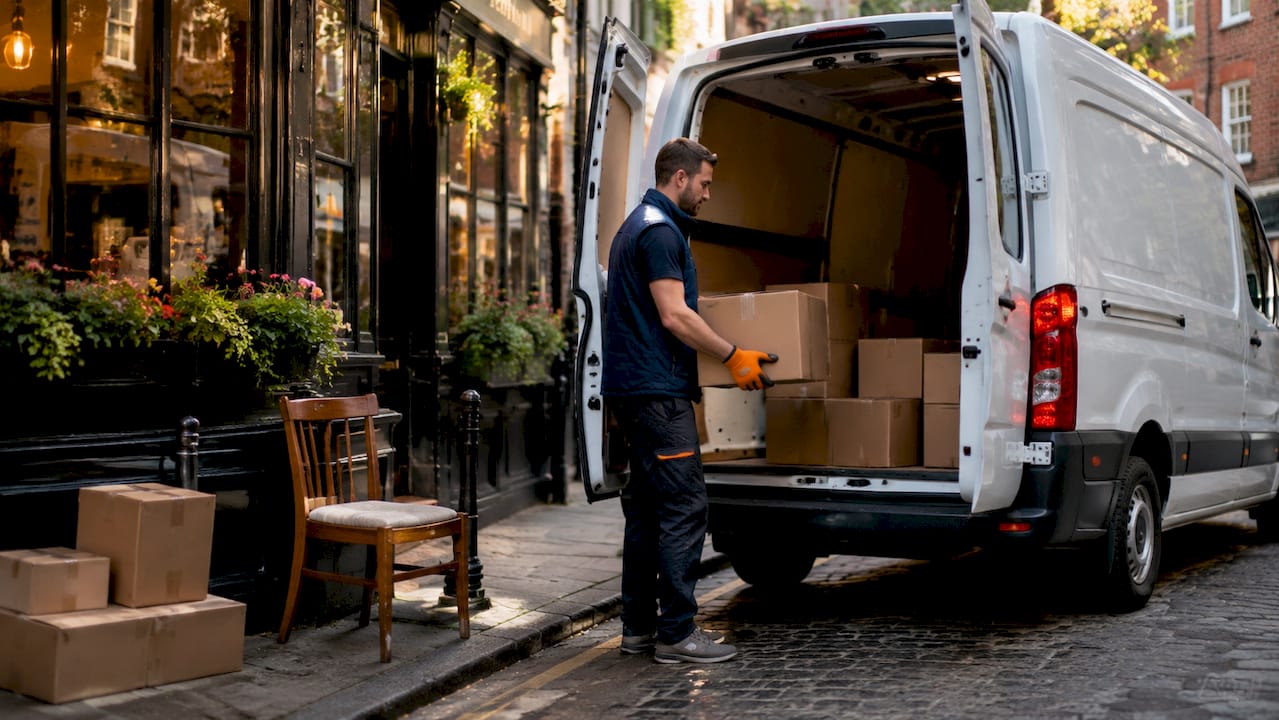
Man and van services are defined as flexible, light-load transport and moving solutions handled by a single driver and a transit-sized van. They sit firmly between a private hire and a full-scale removal company, covering a wide range of tasks that do not require a full crew or a large lorry. If you are a London resident or business owner wondering whether this type of service fits your needs, the practical examples of man and van jobs below will give you a clear picture. Metrocitymoves has handled thousands of these jobs across all 32 London boroughs since 2010, and the variety is broader than most people expect.
1. Examples of man and van jobs for home moves and small relocations
Small residential moves are the most common man and van job type. These cover studio flat moves, single-bedroom relocations, and student moves at the start and end of term. The key characteristic is that the volume of items fits comfortably within a single transit van load.

Man and van services are ideal for small, streamlined moves where clients have pre-packed and prepared their items. That means the job runs faster and costs less than a full removal, because no packing crew is needed on the day.
Typical residential man and van tasks include:
- Moving a single-bedroom flat within the same London borough
- Transporting a sofa, bed frame, or wardrobe to a new address
- Student removals at the end of a university year
- Delivering a single large item purchased from a marketplace or retailer
- Moving boxes and personal belongings between storage and a property
Pro Tip: Pack and label every box before the van arrives. Drivers can load and unload far more quickly when items are ready at the door, which directly reduces your hourly cost.
2. Business and commercial man and van job examples
Business clients use man and van services for tasks that are too small to justify a full office removal team but too large or awkward for a standard courier. Office equipment transport is a prime example. Moving a handful of monitors, desk chairs, and filing boxes between two sites in London is a classic man and van job.
Efficient parking access and load planning during business deliveries improves move speed and customer satisfaction. Coordinating drop-off and pick-up locations in advance avoids delays in busy urban centres like the City of London or Canary Wharf.
Common business-focused man and van tasks include:
- Transporting office chairs, monitors, and small IT equipment between sites
- Moving exhibition stands or event props to a venue and back
- Delivering printed materials, display boards, or marketing collateral
- Ad hoc courier runs for urgent documents or parcels within London
- Relocating a small retail unit’s stock to a new premises
The flexibility of man and van work suits businesses that operate on tight schedules. A single van can navigate London’s narrower streets and loading bays far more easily than a large removal lorry.
3. Specialist and niche man and van job examples in London
London’s property stock creates a category of man and van jobs that requires specific experience. High-rise flats, mansion blocks with small lifts, and Victorian terraces with narrow hallways all present access challenges that a standard delivery service cannot handle well.
Access constraints like narrow stairs, small lifts, and parking restrictions in London are frequently underestimated by clients, causing delays or extra charges. Choosing a provider with direct London experience is the practical way to avoid this.
Specialist man and van tasks include:
- Furniture delivery to high-rise flats, including items that require manoeuvring through tight stairwells
- Bulky item removal and disposal, such as old mattresses or broken white goods
- Storage unit transfers between facilities or from a storage depot to a new home
- Transporting antiques or fragile items that need careful handling and blanket wrapping
- Clearing a single room or garage as part of a house clearance
Pro Tip: Before booking, check with your building management whether a timed loading slot or lift reservation is required. In many London blocks, failing to book the service lift in advance can add hours to a job.
4. When to choose man and van and when to upgrade to full removals
The volume and complexity of items is the primary factor in deciding between a man and van and a full removal company. Man and van jobs typically involve a single mover and a transit-sized van, which suits clients who have already packed and prepared everything themselves.
Full-service removal companies provide packing, furniture disassembly, loading, unloading, and reassembly. Man and van services do not typically include these extras. If you are moving a three-bedroom house with large wardrobes, a piano, or a full kitchen, a full removal team is the right choice.
The table below shows where each service fits best.
| Feature | Man and van | Full removal service |
|---|---|---|
| Typical load size | 1–2 rooms or a few items | 2+ bedrooms or full households |
| Packing included | No (client pre-packs) | Yes, with professional materials |
| Number of movers | Usually one | Two or more |
| Furniture disassembly | Not standard | Included or available |
| Goods in Transit cover | Varies by provider | Standard with reputable firms |
| Cost | Lower | Higher, reflecting full service |
Metrocitymoves offers both man and van and full house removals in London, so you can choose the right level of service without switching providers. That consistency matters when you need reliable Goods in Transit cover and a fixed-price quote.
5. How to plan and book a man and van job in London
Clear planning is the single biggest factor in a smooth man and van job. Detailed upfront communication, such as a written inventory or short video walkthrough of your items, helps the driver plan loading order and vehicle space. This reduces unnecessary lifting and refitting at the destination.
Follow these steps to prepare effectively:
- Write a full inventory. List every item by size and weight before you call for a quote. This prevents surprises on the day and helps the provider select the right van size.
- Pack everything in advance. Have all boxes sealed, labelled, and stacked near the exit point before the driver arrives.
- Check building access. Confirm lift availability, stairwell width, and any timed loading restrictions with your building manager or local council.
- Confirm parking. In London, many streets require a parking suspension permit for a van to stop legally outside a property. Book this at least 48 hours ahead through your local borough council.
- Choose the right van size. A transit van suits one to two rooms. A Luton van with a tail lift is better for heavier or bulkier loads.
- Agree the price structure upfront. Confirm whether the quote is fixed or hourly, and clarify what happens if the job runs over time.
Pro Tip: Take photos of fragile items before loading. This protects both you and the driver if a damage query arises later.
Price-sensitive clients often choose man and van for its flexibility and lower cost compared to full removals. Getting the planning right is how you protect that cost advantage and avoid paying for extra time caused by avoidable delays.
6. Understanding man and van earnings and work opportunities
Van drivers working in London can earn from £350 to over £700 per week depending on job type and availability. That range reflects the genuine commercial viability of man and van work as a self-employed trade or part-time income stream.
The sector suits drivers who own a transit or Luton van and want flexible hours. Jobs range from single-item furniture deliveries to multi-stop courier runs across the M25. Platforms and local removal firms both offer ad hoc work opportunities, and experienced drivers with good reviews can build a steady client base quickly.
For businesses considering whether to hire a dedicated van driver or use a professional service, the calculation is straightforward. A professional provider like Metrocitymoves includes insurance, equipment, and scheduling support. A self-employed driver may cost less per hour but places the responsibility for Goods in Transit cover and job coordination on you.
Key takeaways
Man and van services are best suited to small, pre-packed moves and single-item deliveries where volume, access, and budget rule out a full removal team.
| Point | Details |
|---|---|
| Define your load first | Volume and item complexity determine whether man and van or full removals is the right choice. |
| Pre-pack before booking | Having all items ready at the door cuts job time and reduces your total cost. |
| Check London access rules | Confirm lift slots, stairwell widths, and parking suspensions before the job date. |
| Use a fixed-price quote | Agree pricing upfront to avoid unexpected charges on hourly-rate jobs. |
| Match van size to load | A transit van suits 1–2 rooms; a Luton van handles heavier or bulkier items. |
What 15 years of London moves taught me about man and van jobs
The most consistent mistake I see is underestimating access. Clients focus on the items and forget the building. A sofa that fits through a front door in a suburban semi will not always fit in a mansion block lift in Kensington. I have seen well-planned jobs add two hours simply because nobody checked the lift dimensions in advance.
The second thing I have learned is that communication before the job matters more than anything on the day. Clients who send a video walkthrough or a detailed inventory list almost always have smoother moves. Those who describe their load vaguely over the phone are the ones who call back frustrated.
Man and van services are genuinely cost-effective for the right jobs. Students, single professionals, and small businesses get real value from this format. But that value disappears quickly if the job is undersized for the load or if access problems force a second trip. Choose your service level honestly, prepare thoroughly, and the cost savings are real.
— Far
Metrocitymoves: professional man and van across London
Metrocitymoves has provided man and van services across London since 2010, covering every postcode within the M25. The team handles everything from single-item furniture deliveries to small flat moves, with fully insured vehicles and fixed-price quotes available on request.
For larger moves, Metrocitymoves offers a full range of house and flat removal services with professional packing, Goods in Transit cover, and dedicated crews. Whether your job needs one person and a transit van or a full removal team, Metrocitymoves can match the right resource to your requirements. Get in touch for a free quote and same-day availability across all 32 London boroughs.
FAQ
What does a man and van service typically include?
A man and van service includes a driver, a transit-sized van, and basic loading and unloading assistance. Clients are expected to have items pre-packed and ready before the driver arrives.
Are man and van services suitable for business use?
Yes. Businesses regularly use man and van services for office equipment transport, event logistics, and urgent courier runs within London. The format suits small, time-sensitive jobs that do not require a full removal crew.
How do I know if my job needs a man and van or a full removal company?
If your load fits within one to two rooms and you have already packed everything yourself, a man and van is the right choice. A full removal company is better for larger households, complex furniture, or jobs requiring professional packing.
What are the most common man and van job examples in London?
The most common tasks are small flat moves, student relocations, single-item furniture deliveries, office equipment transfers, and storage unit collections. These jobs share a common trait: a manageable load that one driver can handle efficiently.
How far in advance should I book a man and van in London?
Booking at least 48 hours ahead gives you time to arrange parking suspensions and confirm building access. For weekend moves or end-of-month dates, booking a week in advance is advisable to secure availability.