The Ultimate End of Tenancy Moving Checklist for London Renters
Moving out of a rented property in London is one of the most stressful events in a renter's life — and for good reason. London tenants collectively lose millions of pounds in deposit deductions every year, the majority of which are avoidable with proper preparation. This checklist covers every stage of the end of tenancy process: from giving notice to leaving the property in a condition that guarantees the return of your full deposit.
Stage 1: Giving Notice and Planning (6–8 Weeks Before)
- Check your notice period: Most Assured Shorthold Tenancies (ASTs) require one month's notice in writing. Some longer tenancies may require two months. Check your tenancy agreement carefully — verbal notice is not legally sufficient.
- Give notice in writing: Email your landlord or letting agent with a clear moving-out date. Keep a record of the email.
- Retrieve your tenancy agreement and inventory: You will need both of these throughout the move-out process. The check-in inventory is the baseline against which your check-out condition will be assessed.
- Book your removal company: Popular move-out dates (end of month, Fridays) get booked up fast. Book Metro City Moves as soon as your date is confirmed. We cover all London postcodes with fixed prices and no hidden charges.
- Notify key parties of your change of address: DVLA, HMRC, bank, employer, GP, dentist, pension providers, TV licence, council tax.
- Set up mail redirection: Royal Mail mail redirection can be set up online from £33.99 for 3 months. Do this at least 2 weeks before you move.
Stage 2: Practical Preparations (2–4 Weeks Before)
- Take detailed photographs of every room: Date-stamped photographs of walls, floors, ceilings, appliances, and fixtures document the current condition and protect you against unfair claims.
- Compare with check-in inventory: Go through the original inventory and note any changes. Understand the difference between fair wear and tear (which you are not responsible for) and damage (which you may be).
- Address any damage you're responsible for: Small repairs — screw holes filled, small areas repainted — are almost always cheaper to fix yourself than to have deducted from your deposit at landlord rates.
- Contact your deposit protection scheme: Your deposit should be protected in a government-approved scheme (DPS, MyDeposits, or TDS). Retrieve the scheme details from your original tenancy paperwork.
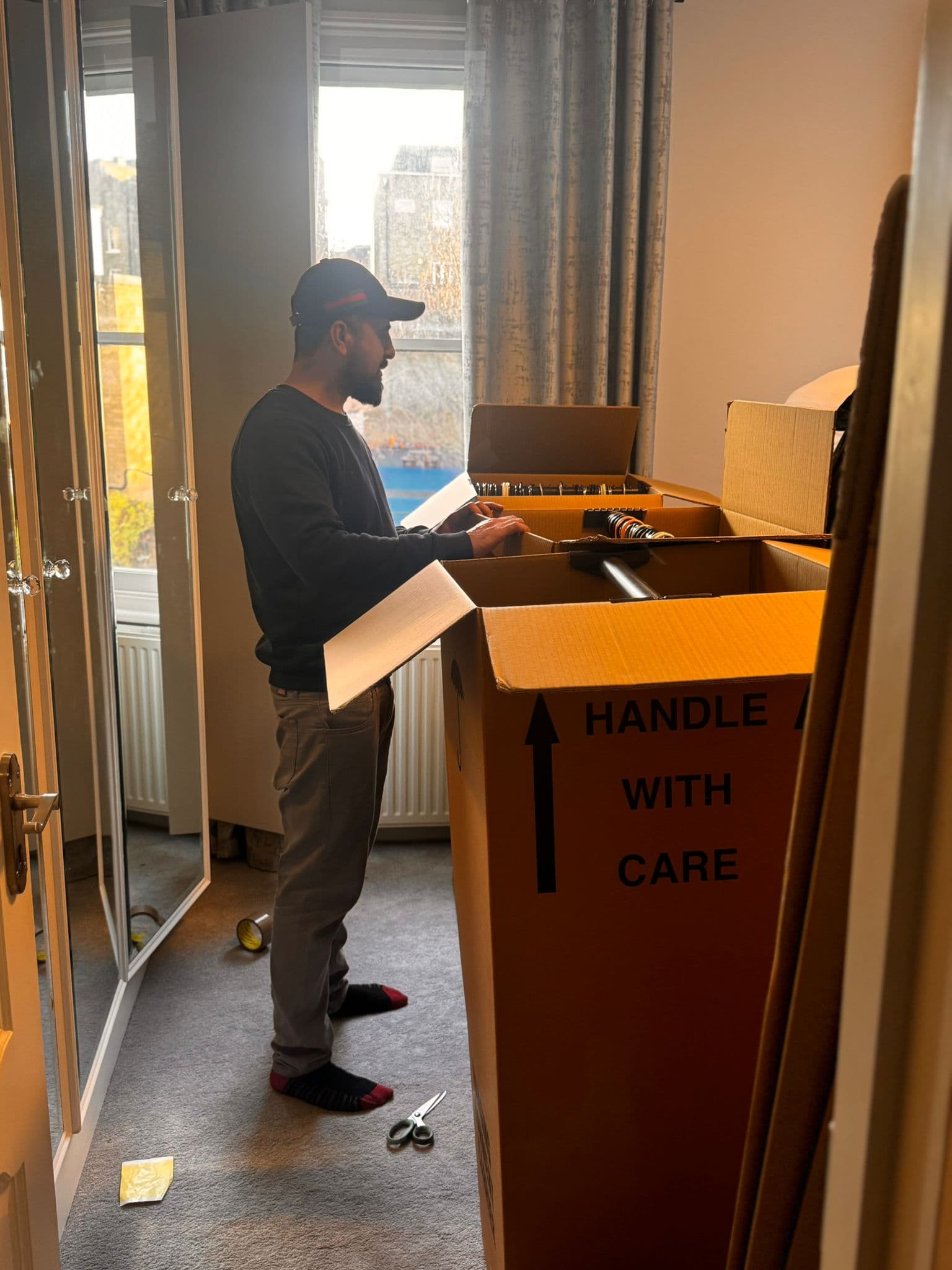
- Sort and begin packing: Start with items you use least frequently. Use quality boxes and label everything clearly with room and contents. Metro City Moves can supply packing materials — see our packing services.
Stage 3: The End of Tenancy Clean
The end of tenancy clean is the single most common source of deposit deductions. London landlords and letting agents have high expectations, and a standard domestic clean is almost never sufficient to meet professional letting agent standards. Your options are:
Option A: Professional end of tenancy cleaning service
This is the safest option. A professional end of tenancy clean is carried out to a guaranteed standard and most reputable companies provide a re-clean guarantee if the landlord or agent is not satisfied. Costs for a London property typically range from £150 (studio) to £400+ (three-bedroom house). Many cleaners also offer carpet cleaning and window cleaning as add-ons.
Option B: DIY deep clean
If you choose to clean yourself, here is what needs to be done to professional standard:
- Kitchen: Degrease oven inside and out (including shelves and door glass), clean hob, extractor hood and filter, defrost freezer, clean all cupboards inside and out, descale kettle and hob, clean sink and taps
- Bathroom: Descale tiles, taps, showerhead, and bath. Remove mould from grout and silicone. Clean toilet inside the bowl, under the rim, and around the base. Polish all mirrors and chrome
- All rooms: Vacuum all carpets (including edges and under furniture), clean skirting boards, wipe all light switches and door handles, clean inside all wardrobes, wipe windowsills, clean inside window frames
- Walls: Wipe down walls where marks are visible. Minor scuffs can be touched up with matching paint — check with your landlord before doing this
- Garden (if applicable): Mow lawn, remove weeds, clear any rubbish
Stage 4: Moving Day
- Take meter readings: Gas, electricity, and water meter readings should be taken first thing on moving day and photographed with the date visible. Send them to your energy suppliers immediately.
- Return all keys and fobs: Keep a record of everything returned — take a photo of you handing over the keys if possible, or get written confirmation from the agent.
- Do a final walk-through: Go through every room before leaving. Check all cupboards, the loft (if accessible), the garden shed, and under beds.
- Remove all personal items: Anything left in the property after the tenancy ends can be disposed of by the landlord and may incur a disposal charge against your deposit.
- Take final photographs: A complete photographic record of the property as you leave it is your best protection in any deposit dispute.
Stage 5: Getting Your Deposit Back
Once you've vacated, your landlord or agent should return your deposit within 10 days (if using the DPS) or as agreed under your scheme's terms. If deductions are proposed:
- Request an itemised breakdown in writing
- Challenge any deductions you believe are unfair, citing fair wear and tear
- If agreement cannot be reached, use the free dispute resolution service provided by your deposit protection scheme — this is a binding and impartial process
For advice on end of tenancy cleaning services to accompany your move, see our end of tenancy cleaning page. For removal services on moving day, get a free, fixed-price quote from Metro City Moves.
Frequently Asked Questions
What counts as fair wear and tear?
Fair wear and tear is the reasonable deterioration of a property through normal everyday use. Faded curtains, minor scuffs on walls, and worn carpet in high-traffic areas are typical examples. Damage caused by negligence, accidents, or misuse is not fair wear and tear and may be chargeable.
Can a landlord charge for professional cleaning if I clean the property myself?
A landlord can only charge for professional cleaning if the property is not left in the same standard of cleanliness as it was at the start of the tenancy (as documented in the inventory). If you clean to a professional standard, a landlord cannot insist on professional cleaning as a matter of course.
What is a deposit protection scheme?
All landlords in England and Wales are legally required to protect their tenants' deposits in a government-approved scheme within 30 days of receiving the deposit. The three approved schemes are the Deposit Protection Service (DPS), MyDeposits, and the Tenancy Deposit Scheme (TDS).